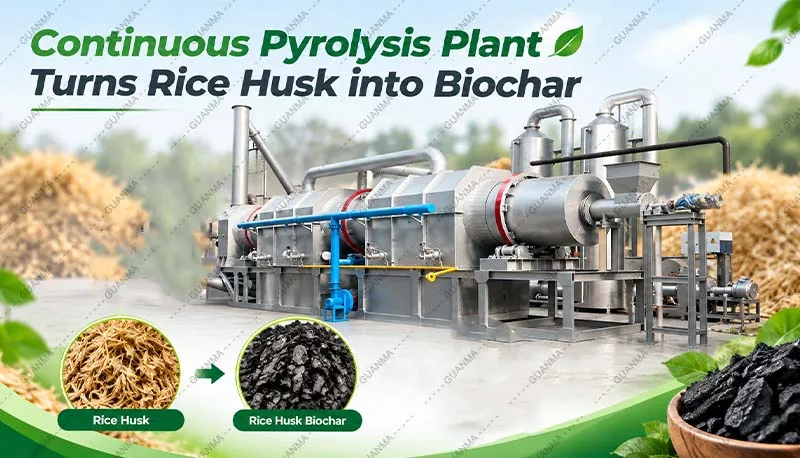
An agricultural waste carbonization machine provides a controlled way to process suitable biomass into biochar while reusing combustible gases generated during the process.
Businesses with a stable supply of agricultural residues can integrate carbonization into their agricultural waste recycling or biochar production projects.
What Is an Agricultural Waste Carbonization Machine?
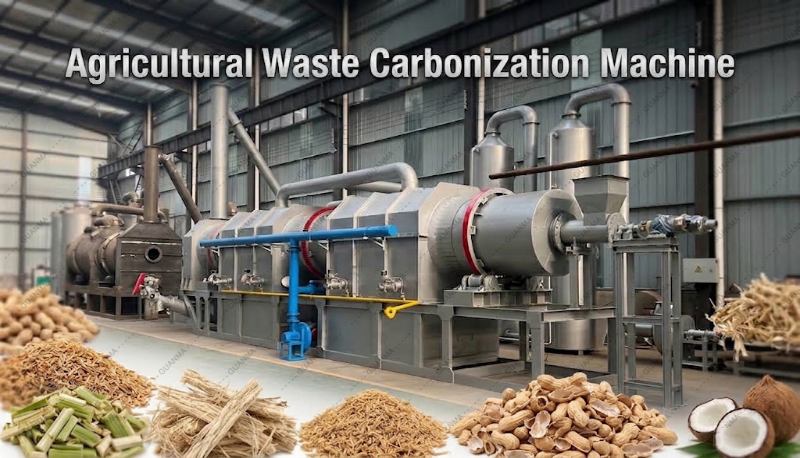
An agricultural waste carbonization machine is industrial equipment designed to convert suitable agricultural biomass into biochar under limited-oxygen or oxygen-free conditions.
What Agricultural Waste Can Be Carbonized?
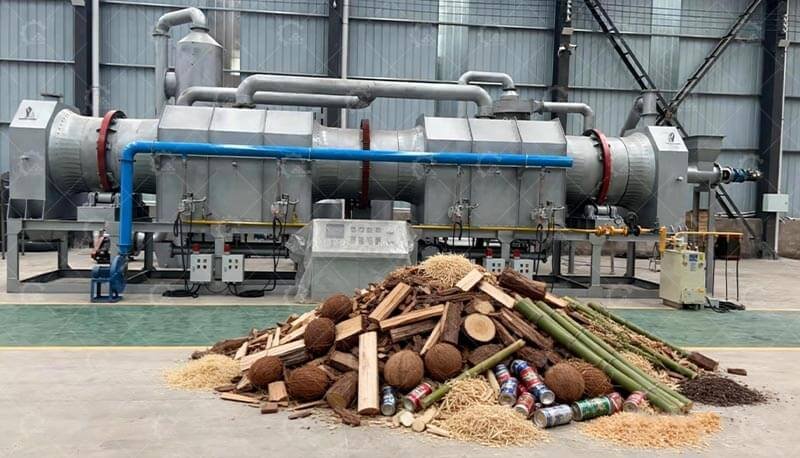
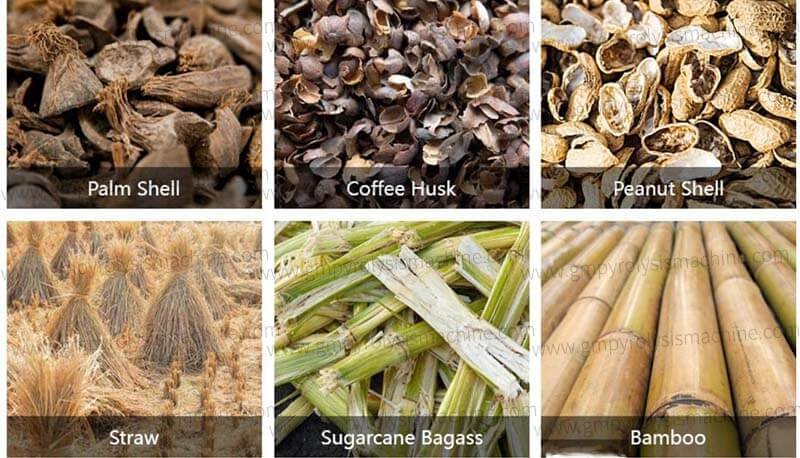
Different agricultural residues have different moisture levels, structures and carbonization characteristics. Common feedstocks include:
- Rice husks and rice straw
- Corn stalks and other crop residues
- Coconut shells
- Sawdust and wood residues
- Other suitable agricultural biomass
Before selecting the equipment, feedstock properties such as moisture content and particle size should be evaluated.
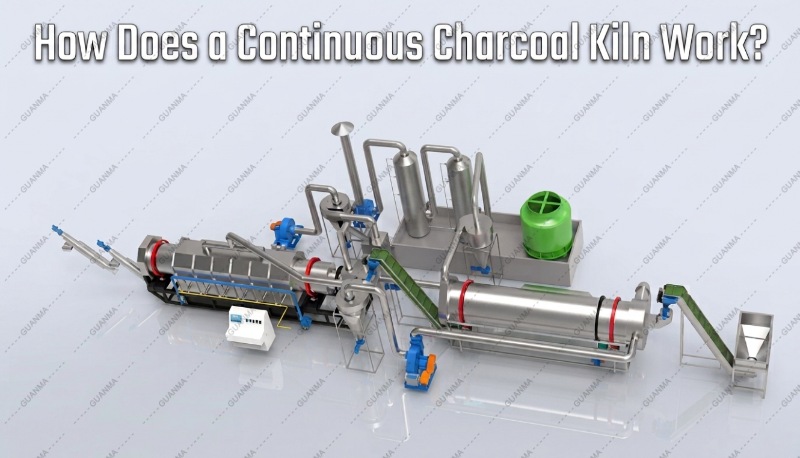
How Does Agricultural Waste Carbonization Machine Work?
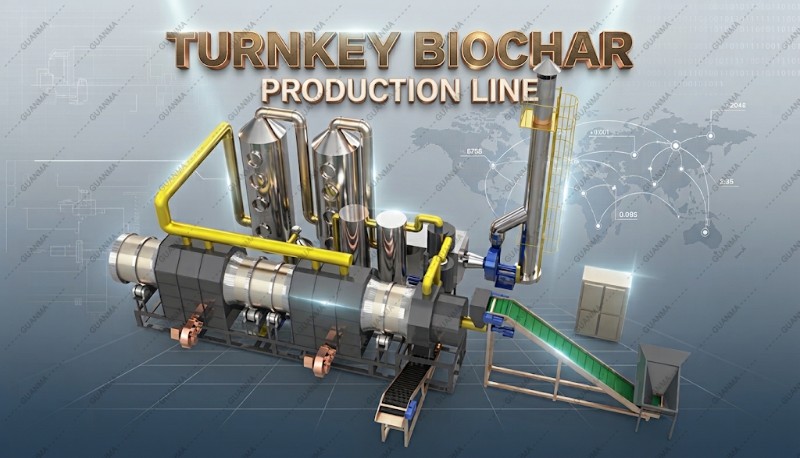
A turnkey biochar production line includes several stages:
1. Feedstock Preparation
Biomass may need drying and size reduction before processing. The particle size should generally be less than 15 mm, with moisture content controlled below 15%. Proper preparation helps maintain stable feeding and carbonization.
2. Thermal Carbonization
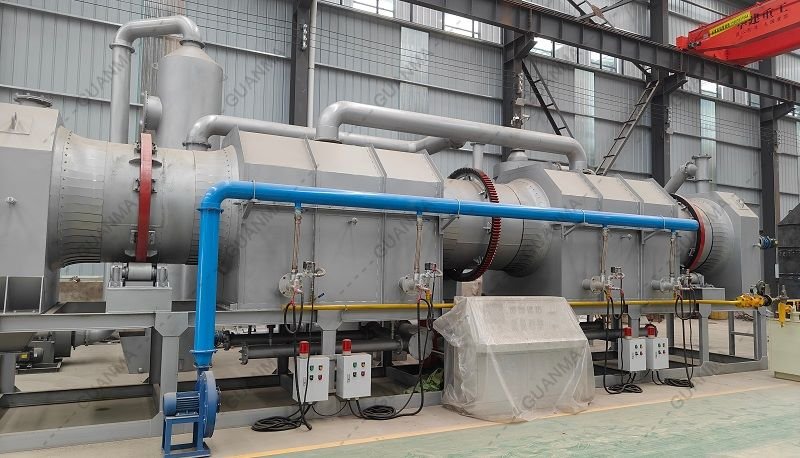
The prepared biomass is continuously fed into a continuous carbonization furnace. Under oxygen-limited conditions, heat decomposes the biomass and converts the solid material into carbon-rich biochar.
3. Gas Treatment and Reuse
Combustible gases generated during carbonization are collected and recycled as a heating energy source for the furnace. This can help reduce the need for external fuel.
4. Cooling and Discharge
After carbonization, the hot biochar enters a cooling system before discharge. Controlled cooling helps minimize oxidation and enables safe handling and storage.
How to Choose the Right Carbonization Pyolysis Equipment?
Choosing an agricultural waste carbonization machine requires more than comparing equipment prices. Key factors include:

- Moisture content: Excessive moisture can affect thermal efficiency and may require pre-drying.
- Particle size: Feedstock size should match the feeding and carbonization system.
- Processing capacity: The machine should match the available biomass supply and planned production volume.
- Continuous operation: A continuous carbonization furnace is a practical option for stable, long-term processing.
- Energy utilization: Reusing combustible gases can reduce the need for external fuel, depending on the system configuration.
- Environmental control: Gas treatment and emission-control equipment should meet applicable local requirements.
A properly configured agricultural waste carbonization machine can provide a controlled approach to converting suitable agricultural residues into biochar while making better use of biomass resources.
If you are planning an agricultural waste carbonization project, contact Guanma Machinery and send your feedstock type, moisture level, required processing capacity and project location. We can help you evaluate a suitable continuous carbonization system for your project.
📩 Get Your Free Quote Today
Contact us today to discuss your project, capacity requirements, and target materials. Our team will reply within 24 hours with a customized proposal. You can also reach us directly at guanmarecycle@gmail.com — we are here to help!