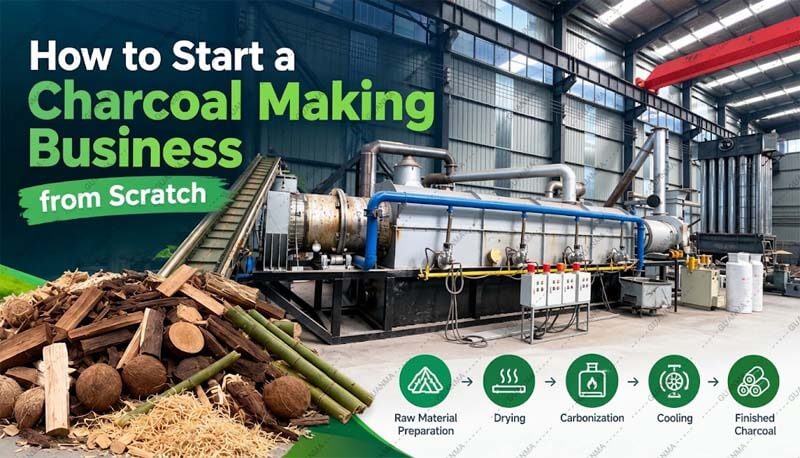
Bamboo charcoal is widely used in air purification, water filtration, agriculture, and industrial applications. As demand for sustainable charcoal products grows, more businesses are exploring efficient ways to produce bamboo charcoal. Generally, the charcoal production process involves five main stages: bamboo preparation, drying, carbonization, cooling, and final processing.
1. Bamboo Preparation
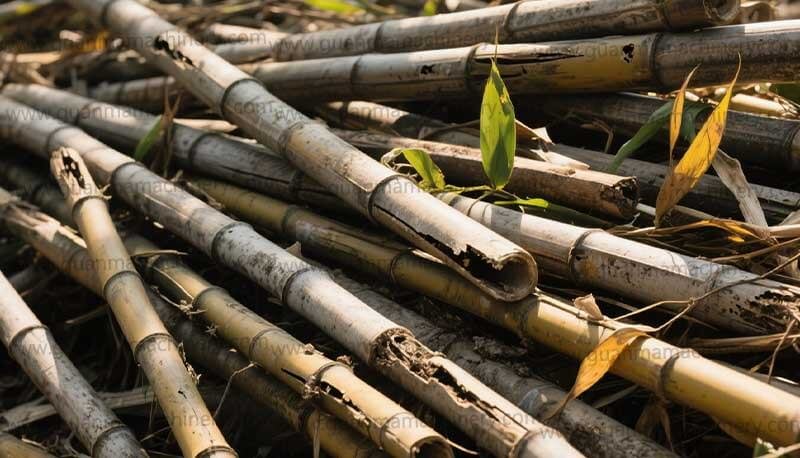 First, select suitable bamboo materials and remove soil, stones, and other impurities. Then, cut or crush the bamboo into smaller pieces according to the feeding requirements of the carbonization furnace. This step helps maintain a consistent material size, ensuring stable feeding and efficient heat transfer during carbonization.
2. Bamboo Drying
Before carbonization, dry the bamboo to remove excess moisture. High moisture content increases energy consumption and reduces carbonization efficiency. Therefore, a drying system helps prepare the raw material for stable processing while maintaining consistent charcoal quality.
3. Bamboo Carbonization
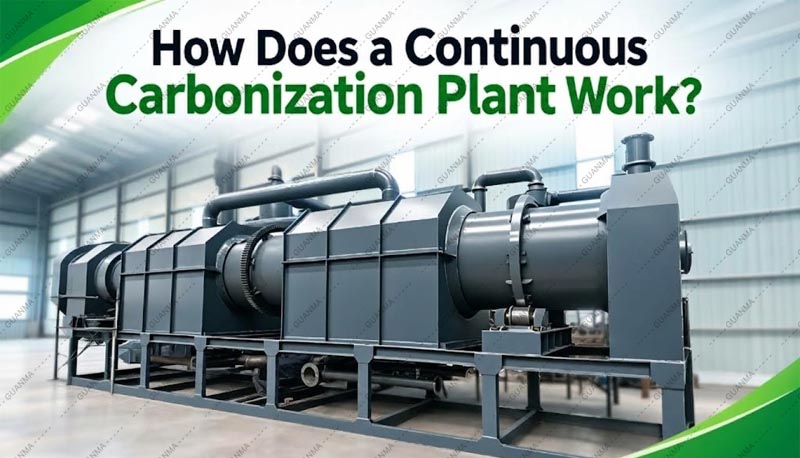
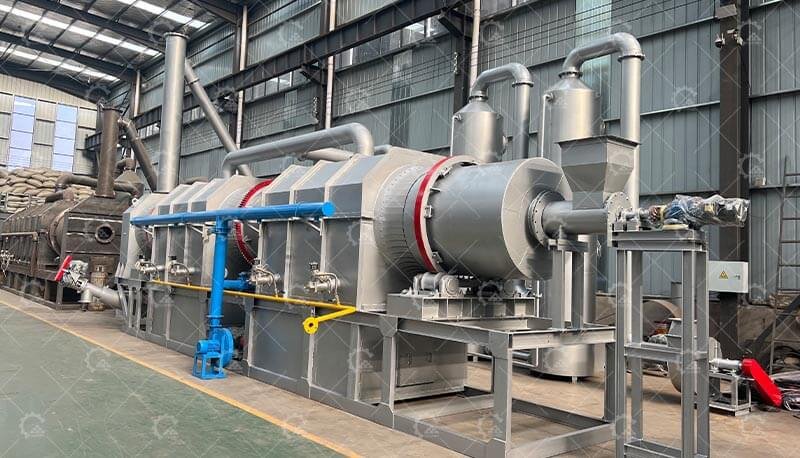 Next, feed the prepared bamboo into a carbonization machine. The furnace heats the bamboo in an oxygen-limited environment, causing its organic components to decompose and release combustible gases while leaving behind bamboo charcoal.
In addition, operators can collect the combustible gases generated during carbonization and reuse them as a heat source for the furnace. As a result, the production line can reduce its external fuel consumption and improve energy efficiency.
4. Charcoal Cooling and Collection
After carbonization, transfer the hot bamboo charcoal to a cooling system before discharge. The cooling system gradually lowers the charcoal temperature while limiting its exposure to oxygen. This process helps prevent oxidation and reduces the risk of spontaneous ignition. Once the charcoal cools sufficiently, operators can safely discharge and collect it for further processing.

5. Bamboo Charcoal Processing
After collection, manufacturers can process the finished bamboo charcoal according to market requirements. For example, they can crush, screen, or grind it into products with different particle sizes. Alternatively, they can use a charcoal briquette machine to turn the charcoal into briquettes for various applications.
What Equipment Is Needed to Make Bamboo Charcoal?
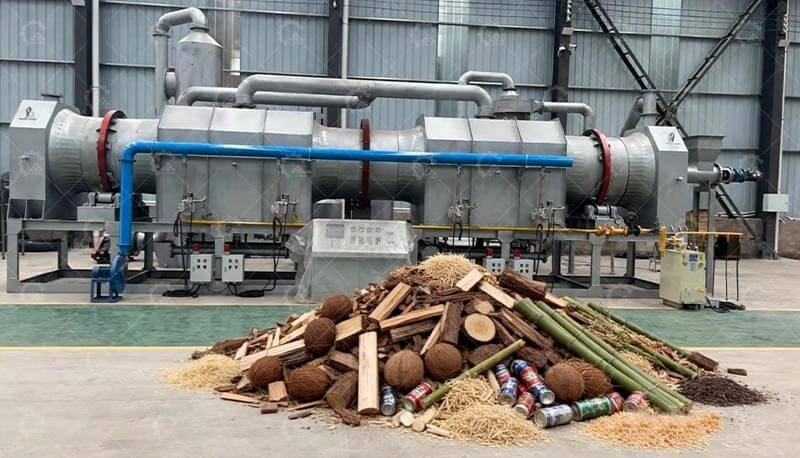
To establish a commercial bamboo charcoal production line, manufacturers typically need a crusher, drying system, feeding conveyors, carbonization furnace, cooling system, and environmental protection system.
However, the equipment configuration depends on several factors, including raw material size, moisture content, processing capacity, and final product requirements. Therefore, selecting suitable equipment is essential for achieving stable and efficient production.
Guanma Machinery is a professional carbonization furnace manufacturer and supplier. We provide customized biomass carbonization solutions for bamboo, coconut shells, rice husks, sawdust, and other biomass materials.
Looking for a reliable bamboo charcoal making machine? Contact Guanma Machinery today with your raw material type and required processing capacity. Our team will help you select a suitable carbonization solution for your project.
📩 Get Your Free Quote Today
Contact us today to discuss your project, capacity requirements, and target materials. Our team will reply within 24 hours with a customized proposal. You can also reach us directly at guanmarecycle@gmail.com — we are here to help!