Starting a charcoal making business from scratch requires careful planning, suitable raw materials, and reliable production equipment. Whether you plan to produce charcoal from wood, sawdust, rice husks, or coconut shells, choosing the right charcoal making machine can help improve efficiency and product quality.
1. Choose Suitable Raw Materials
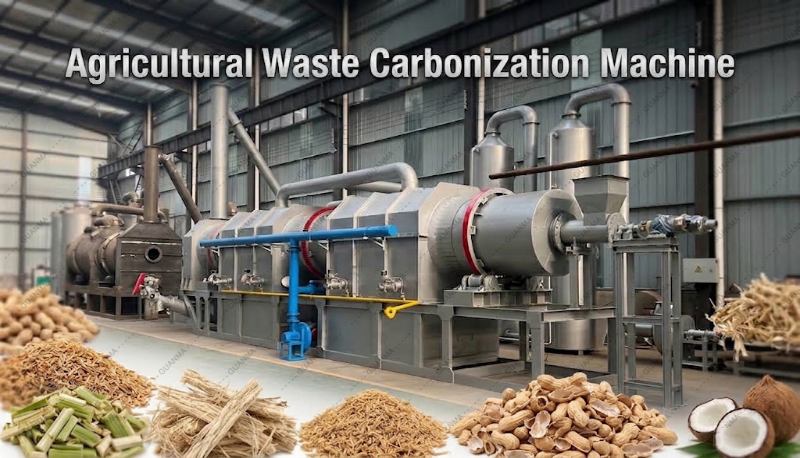
Raw materials are the foundation of a charcoal production business. Common options include wood chips, sawdust, rice husks, coconut shells, and other biomass residues. Before selecting your equipment, evaluate local raw material availability, moisture content, particle size, and supply costs.
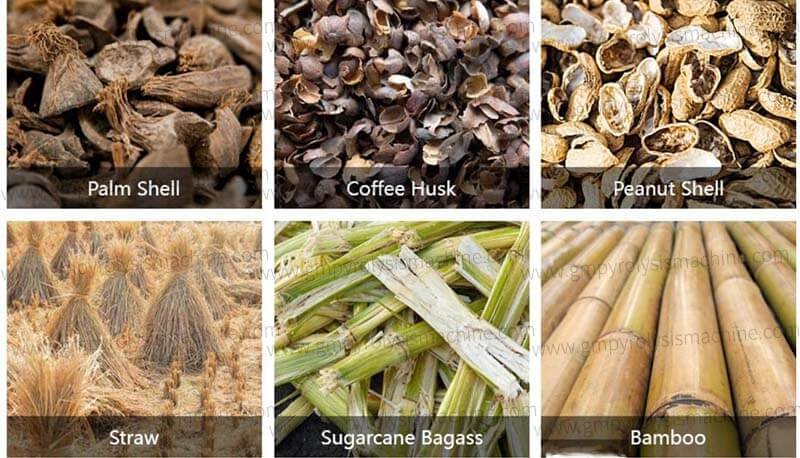
For continuous carbonization systems, raw materials generally need to be processed to a suitable size and moisture level. For example, Guanma Machinery’s continuous carbonization solutions typically require biomass feedstock with a particle size below 15 mm and moisture content below 15%.
2. Select the Right Charcoal Making Equipment
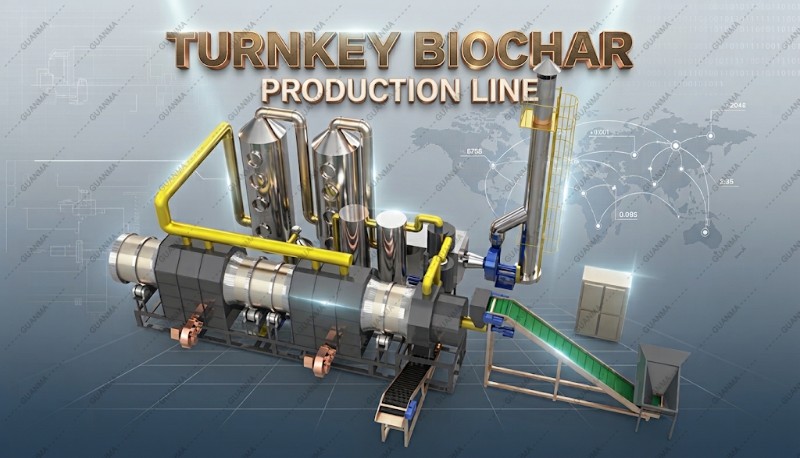
Choosing appropriate charcoal making equipment is essential when setting up a charocal production plant. A typical biomass carbonization line may include:
- Crusher: Reduces raw materials to the required particle size.
- Dryer: Removes excess moisture before carbonization.
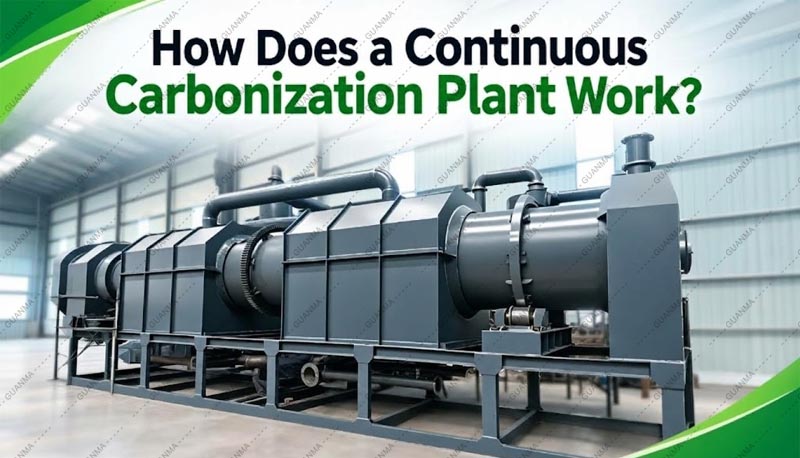
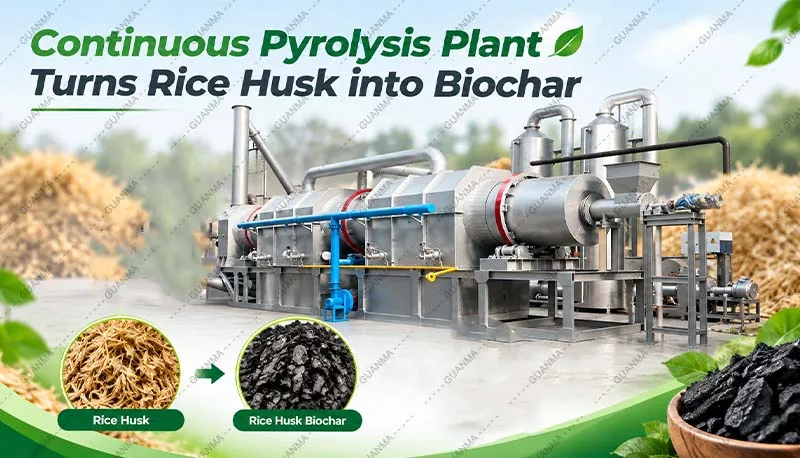
- Continuous carbonization furnace: Converts suitable biomass into charcoal under controlled oxygen-limited conditions.
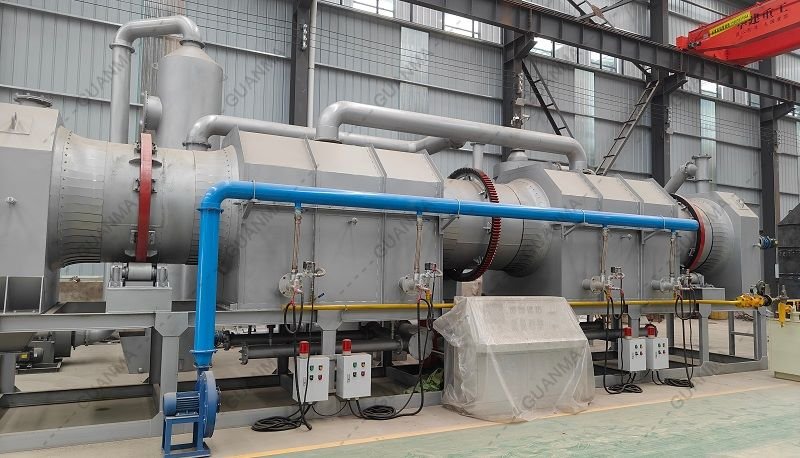
- Cooling system: Cools the charcoal before collection and further processing.
- Gas treatment system: Treats process gases and supports safe, efficient operation.
The exact configuration depends on your feedstock, target capacity, available energy sources, and local environmental requirements.
3. Understand the Charcoal Production Process
A typical charcoal production process involves raw material preparation, drying, carbonization, cooling, and final product collection.
First, the raw materials are crushed and dried to meet the equipment’s operating requirements. They then enter the carbonization furnace, where controlled heating decomposes the biomass and produces charcoal. Combustible gases generated during processing may be recovered and reused as a heat source.
Proper cooling and gas treatment are important for product handling, operational safety, and environmental compliance.
4. Estimate Your Startup Costs
The cost of starting a charcoal making business depends on production capacity, equipment configuration, raw material preparation requirements, factory space, labor, energy consumption, and environmental protection systems.
Before investing, estimate your initial equipment costs and ongoing operating expenses. You should also research local charcoal demand, transportation costs, product specifications, and potential buyers to evaluate the project’s commercial feasibility.
5. Choose the Right Production Capacity
Your production capacity should match the availability of raw materials and expected market demand. A well-planned plant can help avoid equipment underutilization and unnecessary operating costs. Discuss your daily processing requirements with an experienced carbonization equipment manufacturer before finalizing the plant layout.
Start Your Charcoal Making Business with Guanma Machinery
Guanma Machinery provides carbonization furnace and production solutions for suitable biomass feedstocks. We can help evaluate equipment configurations based on your raw materials and production requirements.
Contact us with your raw material type, moisture content, target capacity, and project location to discuss a suitable charcoal production solution.
📩 Get Your Free Quote Today
Contact us today to discuss your project, capacity requirements, and target materials. Our team will reply within 24 hours with a customized proposal. You can also reach us directly at guanmarecycle@gmail.com — we are here to help!