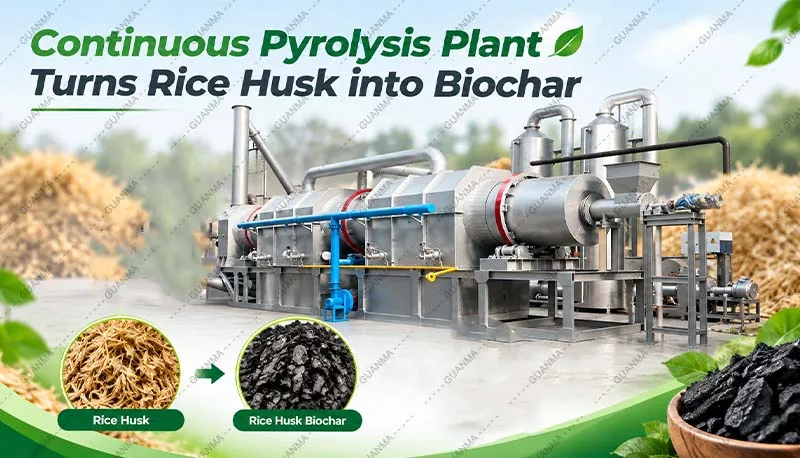
As an abundant agricultural by-product, rice husk can be converted into valuable biochar through a controlled carbonization process. Understanding how to make carbonized rice husk is important for investors and businesses looking to develop biomass recycling projects.
What is Carbonized Rice Husk
The pyrolysis carbonization process produces carbonized rice husk (CRH), also known as rice husk biochar, as a carbon-rich solid material under low-oxygen or oxygen-limited conditions.
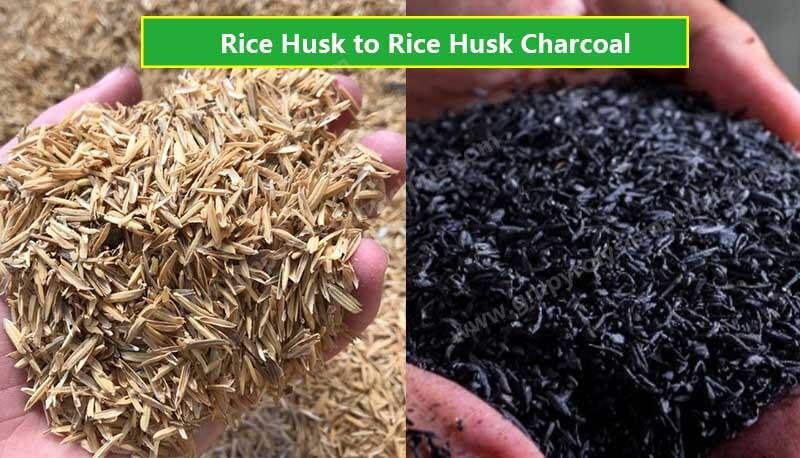
During the carbonization process, organic components in rice husk, such as cellulose, hemicellulose, and lignin, undergo thermal decomposition. A portion of these components is converted into syngas and byproducts, while the remaining material forms porous rice husk charcoal with a high fixed carbon content.
How to Make Carbonized Rice Husk Through the Carbonization Process
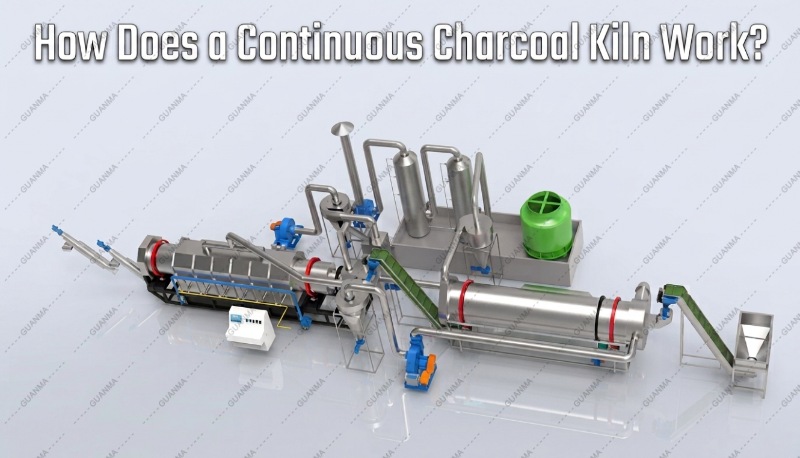
Rice husk carbonization process flow:
Rice Husk → Drying → Feeding → Low-Oxygen Carbonization → Cooling → Rice Husk Biochar
1. Drying
Reduce moisture content to less than 15% for better carbonization efficiency. If necessary, use a dryer before carbonization.
2. Feeding
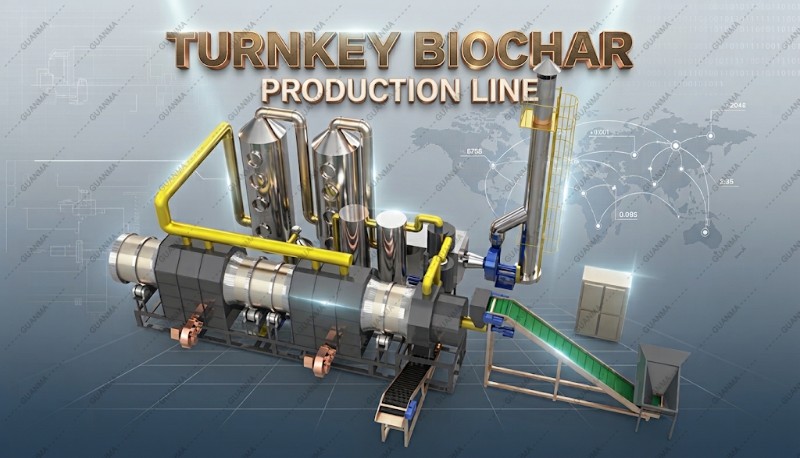
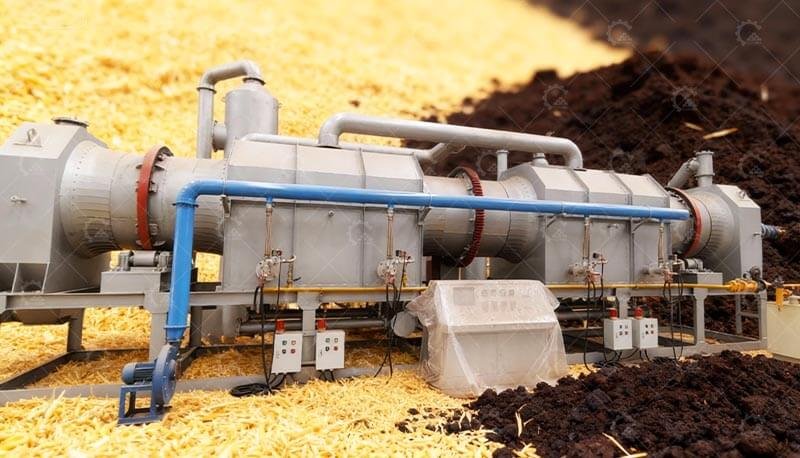
Prepared rice husk is fed into a continuous carbonization furnace.
3. Carbonization
In the furnace, organic components decompose into biochar, syngas, and liquid by-products.
4. Cooling and collection
After carbonization, the cooling system cools the biochar before collection.
Advantages of Using a Continuous Carbonization Machine for Rice Husk
Continuous operation: The system can process biomass materials without frequent shutdowns.
Efficient energy utilization: The carbonization process generates combustible gases, and the system recycles them as heating energy.
Stable biochar quality: Precise temperature control helps produce consistent carbonized rice husk.
Environmental protection: Advanced designs reduce smoke emissions and improve gas treatment efficiency.
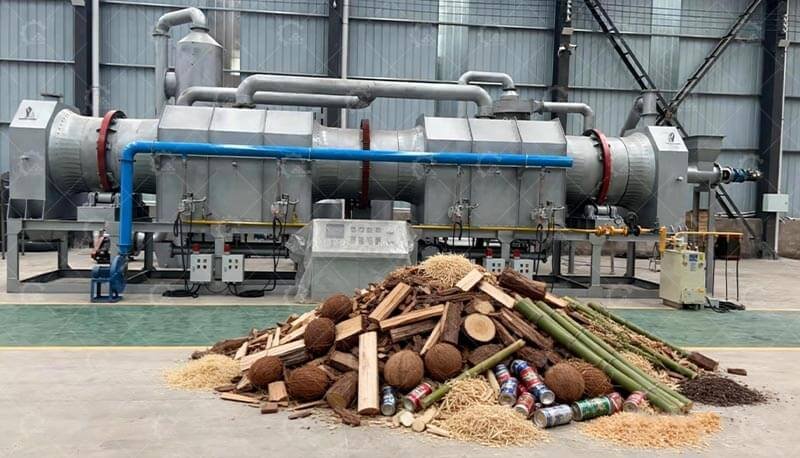
These features make the equipment suitable for processing various biomass materials, including rice husk, coconut shell, palm shell, sawdust, and agricultural residues.
Learning how to make carbonized rice husk is the first step toward developing a profitable biomass recycling business. With advanced carbonization technology, agricultural waste can be transformed into valuable carbon products while supporting global sustainability goals.
Contact Guanma Machinery for customized carbonization furnace solutions and professional support for your biochar production project.
📩 Get Your Free Quote Today
Contact us today to discuss your project, capacity requirements, and target materials. Our team will reply within 24 hours with a customized proposal. You can also reach us directly at guanmarecycle@gmail.com — we are here to help!