Why Sawdust Charcoal Briquettes Are in High Demand
Sawdust charcoal briquettes burn longer, produce less smoke, and deliver more consistent heat than traditional lump charcoal. They are widely used for barbecue, shisha (hookah), home heating, and industrial boilers.
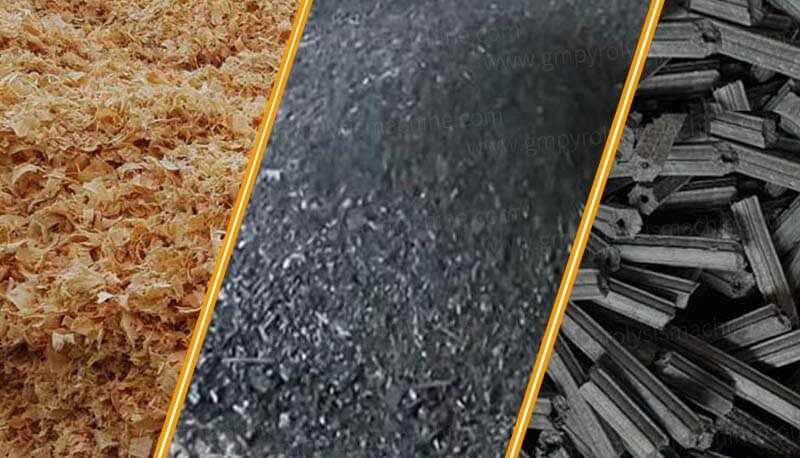
What You’ll Need to Make Charcoal Briquettes from Sawdust
Sawdust raw material – hardwood, softwood, or mixed wood species (moisture below 12% is ideal for carbonization)
- Carbonization furnace – to convert sawdust into charcoal powder
- Crusher/grinder – to achieve uniform particle size (typically ≤5 mm)
- Mixer – to blend charcoal powder, binder, and water homogeneously
- Charcoal briquette press – extruder type or roller press (depending on briquette shape)
- Dryer – mesh belt dryer or sun-drying racks (industrial scale demands a mechanical dryer)
- Packaging system – for sealing, weighing, and branding
Make Charcoal Briquettes from Sawdust Step
Step 1: Collect and Prepare the Sawdust
The first step is controlling your raw material. Dry the sawdust until moisture content drops to 10–15% (for direct carbonization) or even lower for fine charcoal powder production.

Step 2: Sawdust Carbonization
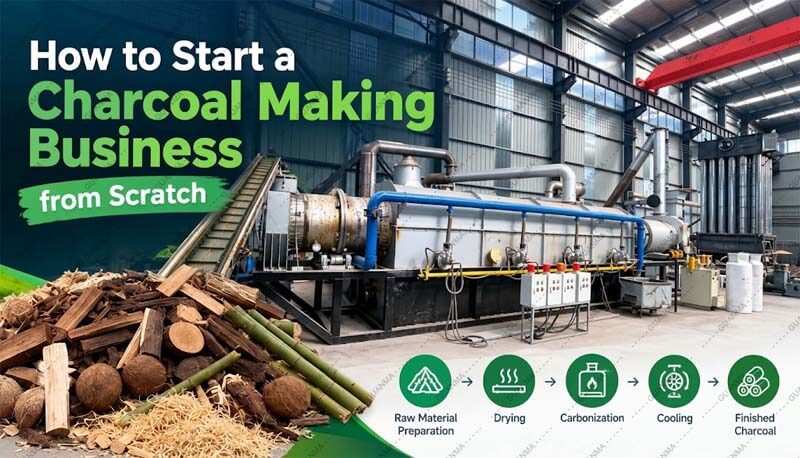
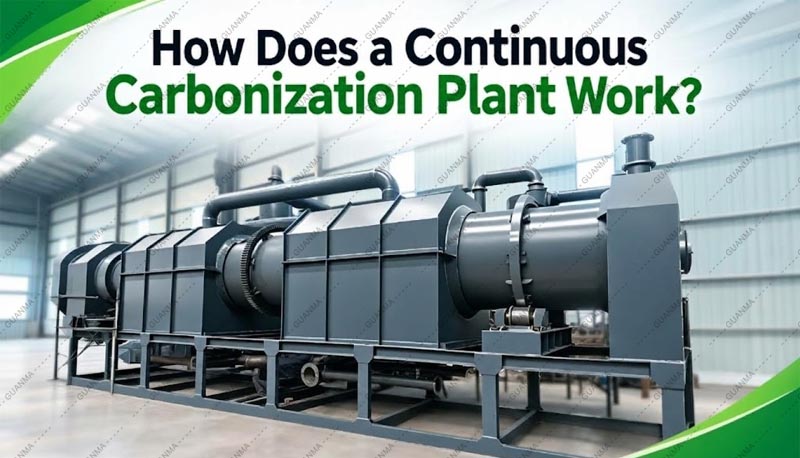
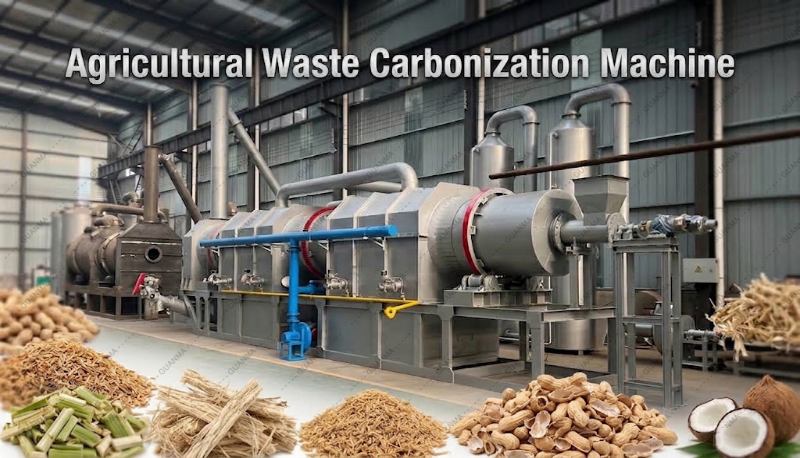
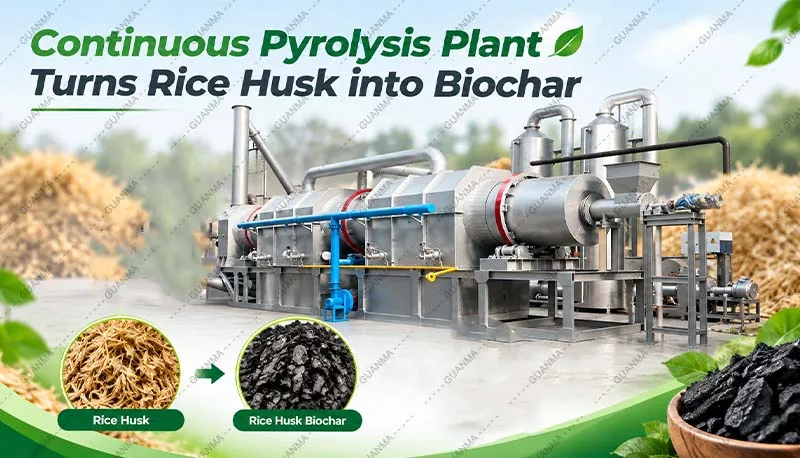
Now you need to convert prepared sawdust into high-quality charcoal fines. The carbonization process (pyrolysis) takes place in sawdust carbonization furnace, typically between 400°C and 600°C.
The most efficient method for making charcoal briquettes from sawdust on a commercial scale is using a continuous carbonization furnace. It provides stable temperature control, recovers combustible gas for fuel reuse.
Key carbonization parameters:
Heat-up rate: gradual to avoid cracking and volatile fires.
Residence time: 20–40 minutes depending on furnace design and feed rate.
Output: lightweight, deep-black charcoal dust that crumbles easily when pressed.
After carbonization, cool the charcoal powder in a sealed cooling conveyor to prevent self-ignition.
Step 3: Charcoal Briquetting
Feed the well-mixed charcoal paste into a charcoal briquette extruder. The choice of machine depends on your target briquette shape:
Pillow-shaped briquettes – ideal for BBQ, made with roller presses.
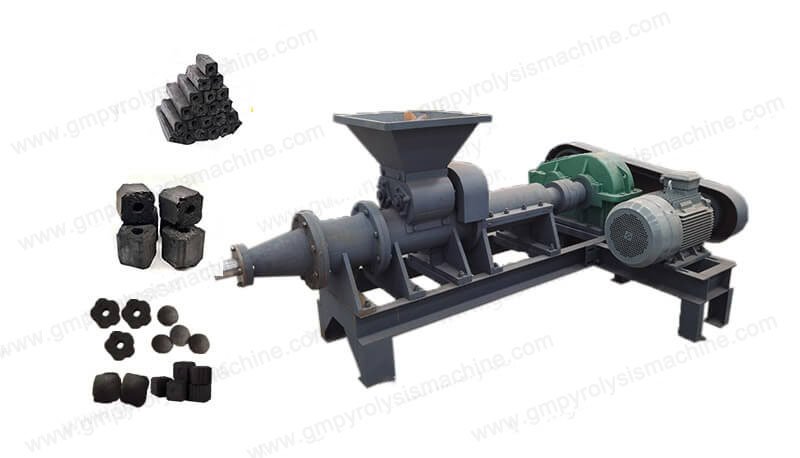
Cylindrical or hexagonal rods – popular for shisha, made with screw extruders (often with a central hole).
Square or honeycomb briquettes – for long-burning heating fuel.
Industrial-scale sawdust charcoal briquette machines can produce 500–5,000 kg per hour, ensuring uniform density, smooth edges, and clean ejection.
Many clients ask us, “Can I use the same machine for sawdust and coconut charcoal?” The answer is yes – with the right die configuration and moisture adjustment. This flexibility is why an integrated charcoal briquette production line adds so much value.
Step 4: Drying the Wet Briquettes
Freshly pressed briquettes contain 25–35% moisture. To achieve a final moisture below 5–6%, you need efficient drying.
Step 5: Cooling, Quality Check, and Packaging
Cool dried briquettes to ambient temperature before packing.
A complete sawdust charcoal briquette plant integrates drying, carbonization, crushing, mixing, pressing, and packaging into one continuous flow.
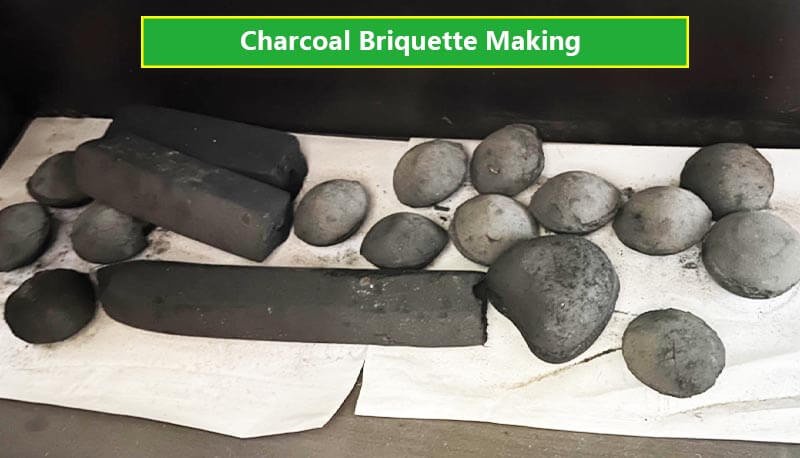
How to Choose Carbonization Equipment Manufacturers?
When choosing equipment suppliers, look for manufacturers who offer:
Customized briquette shape and size options
Energy-efficient carbonization furnaces with flue gas treatment
Smart control panels for precise moisture and temperature monitoring
Reliable after-sales service and spare parts supply
Ready to Start Your Sawdust Charcoal Briquette Business?
If you’re evaluating efficient charcoal briquette production line, contact guanma machinery today for a free consultation, machine specifications, and a customized project proposal.
📩 Get Your Free Quote Today
Contact us today to discuss your project, capacity requirements, and target materials. Our team will reply within 24 hours with a customized proposal. You can also reach us directly at guanmarecycle@gmail.com — we are here to help!