Selecting the right carbonization furnace is crucial for the success of any biomass carbonization or charcoal production project. Whether you’re a first-time buyer or upgrading existing equipment, the decision impacts production quality, cost efficiency, environmental compliance, and long-term profitability.
Understand Your Final Product Requirements
Before evaluating furnace models, first define:
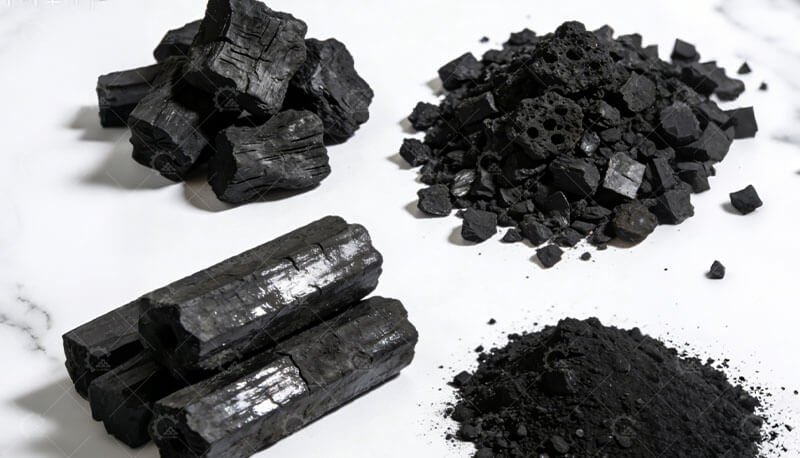
What product you want (e.g., charcoal, biochar, activated carbon feedstock)
Quality parameters (fixed carbon content, ash levels, moisture)
End-use market (industrial, agricultural, BBQ charcoal, filtration)
Different end products need different carbonization temperatures and residence times, which influence furnace type and configuration.
Choose Between Batch and Continuous Furnaces
Batch Carbonization Furnace
Ideal for smaller production volumes
Lower initial investment
Simpler operation
Common in small/medium charcoal plants
Best for: startups, seasonal operations, budget-conscious buyers.
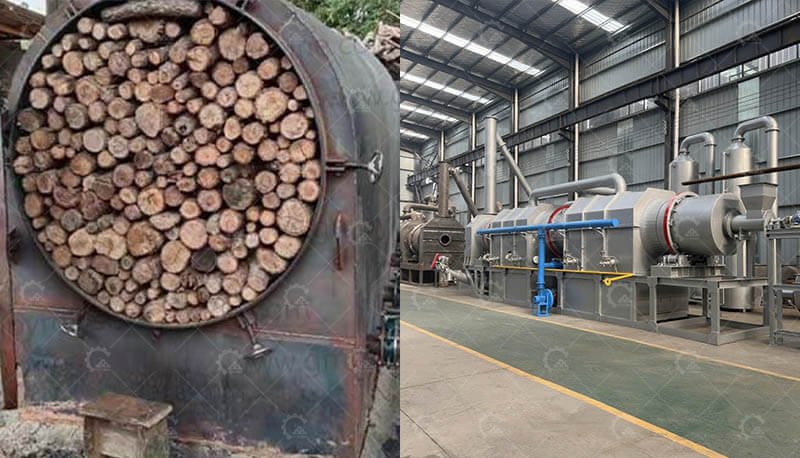
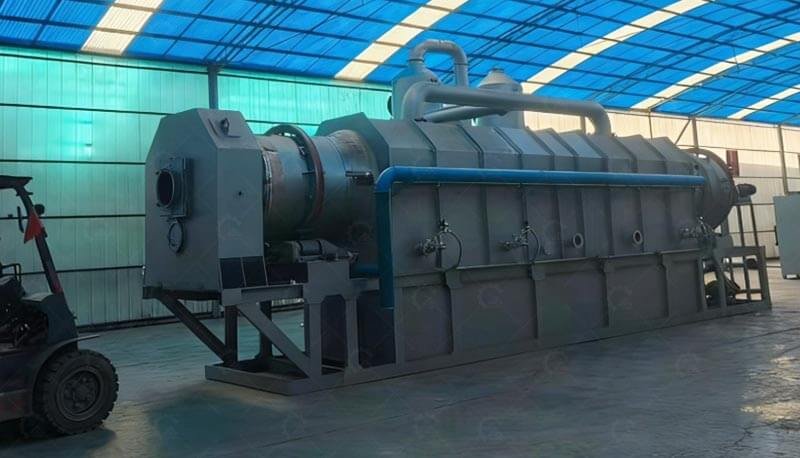
Continuous Carbonization Furnace
High output and automation
Consistent product quality
Lower labor cost per ton
Better energy efficiency with heat recovery
Best for: large-scale commercial projects with stable raw material supply.
Evaluate Raw Material Types and Sizes
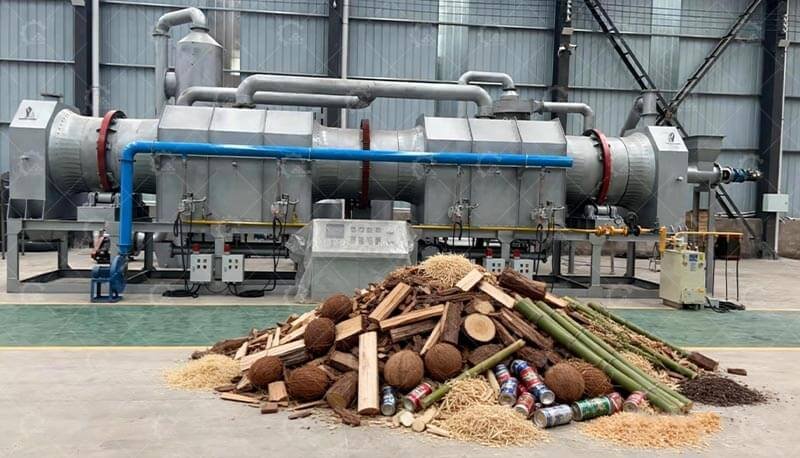
Carbonization furnaces are designed around the raw material you feed them:
Wood logs, branches
Sawdust, shavings
Agricultural waste (coconut shell, bamboo, rice husk)
Materials with high moisture or varied size may require preprocessing (drying, crushing) and a furnace with strong temperature control.
Production Capacity and Scale
Calculate your required capacity:
Daily production target (tons per day)
Choose a furnace with a slightly higher capacity than your current need to accommodate future expansion.
Capacity affects:
Furnace size
Fuel consumption
Space requirements
Operating cost
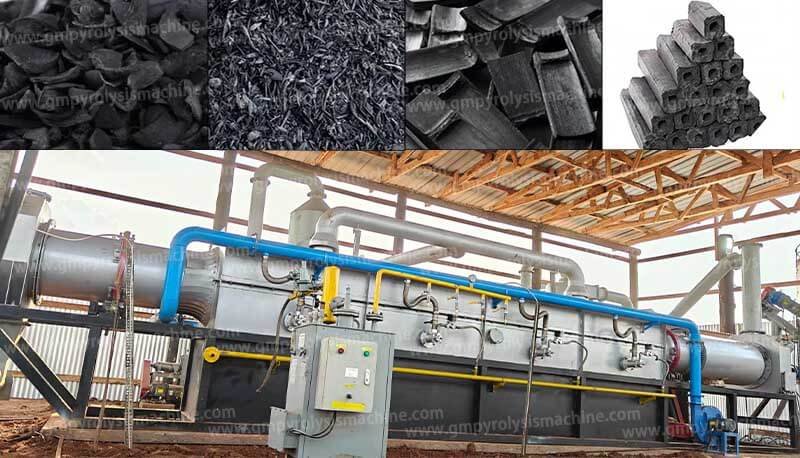
Energy Source & Heat Recovery System
Carbonization furnaces can use:
Biomass fuel (charcoal fines, wood chips)
Gas or diesel burners
Electric heaters (less common)
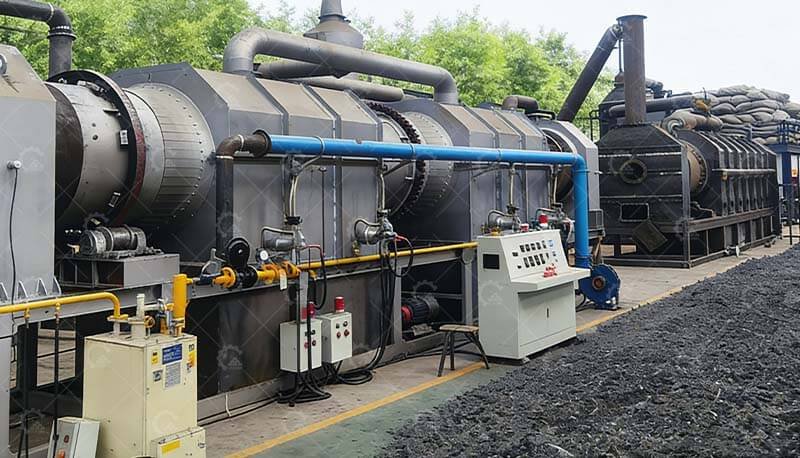
Modern designs often include heat recovery systems:
✔ Lower fuel cost
✔ Faster heating rate
✔ Improved efficiency
Ask suppliers if their furnace includes heat recycling or insulation technology.
Automation and Control Systems
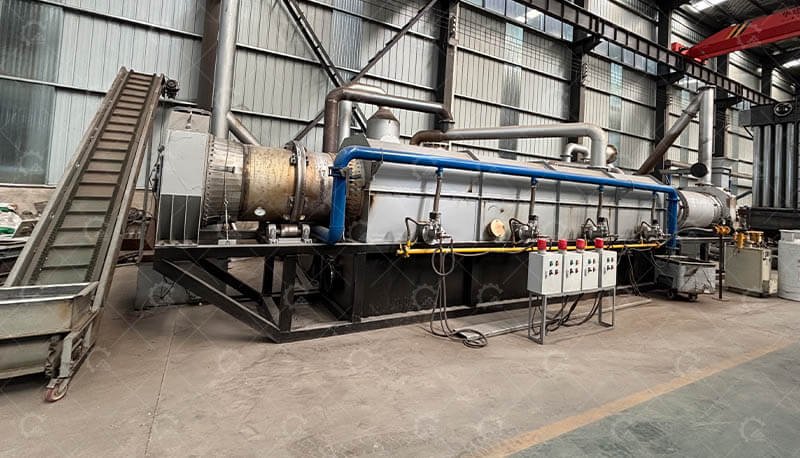
Advanced furnaces come with:
PLC control panels
Temperature sensors
Timers and alarm systems
Automated feeding or discharge
For larger plants, automation is usually worth the investment.
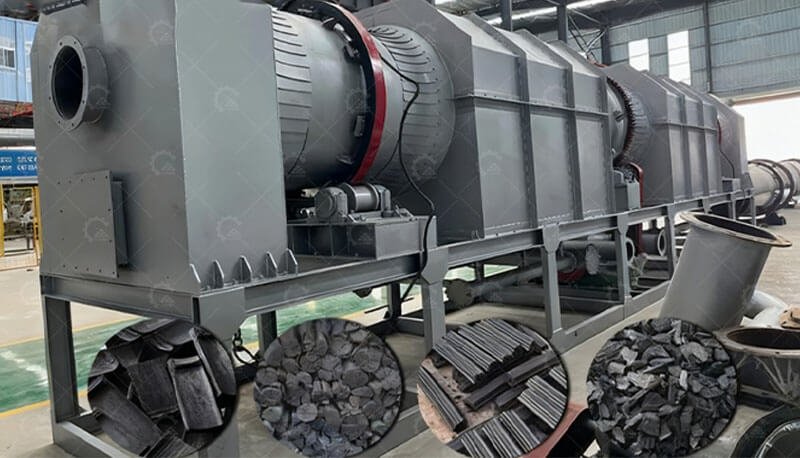
Environmental Compliance
Emissions and pollution control are increasingly important:
Smoke and gas treatment systems
Secondary combustion chambers
Filters or scrubbers
Ensure the furnace meets:
✔ Local environmental regulations
✔ International emissions standards (if exporting products)
This not only avoids fines, but also enhances your brand reputation.
After-Sales Service and Spare Parts Availability
Reliable service matters:
Installation support
Operator training
Warranty terms
Spare parts availability
Total Cost of Ownership (TCO)
Don’t just compare purchase price — calculate:
Operating fuel cost
Maintenance cost
Labor cost
Expected lifespan
Resale value
A cheap furnace may cost more over 5–10 years if it’s inefficient or unreliable.
Choosing the right carbonization furnace involves aligning project goals, raw materials, production capacity, energy sources, automation levels, and environmental compliance.
A well-chosen furnace not only delivers high-quality carbon products but also reduces costs, improves efficiency, and ensures long-term success.