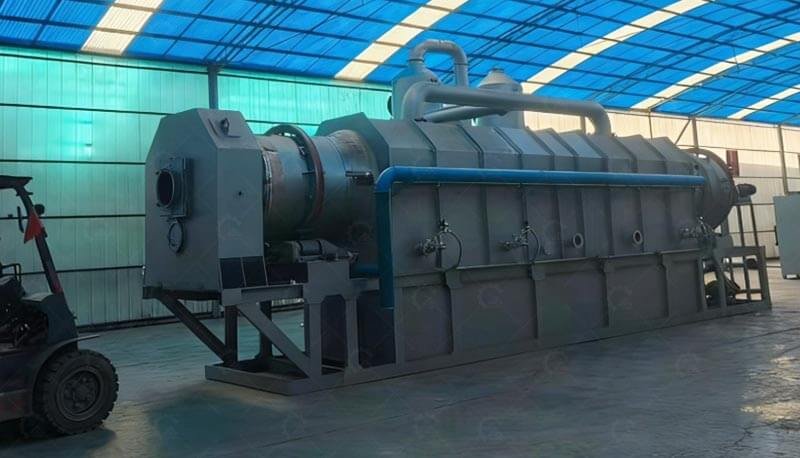
Selecting the right biomass carbonization equipment is a critical decision that can significantly impact the profitability and sustainability of your business. With various technologies and models available in the market, it’s easy to feel overwhelmed.
Understanding the Principles of Biomass Carbonization
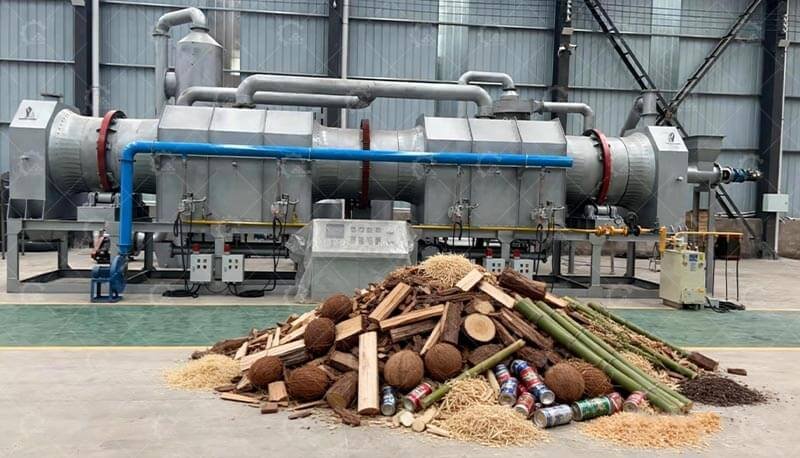
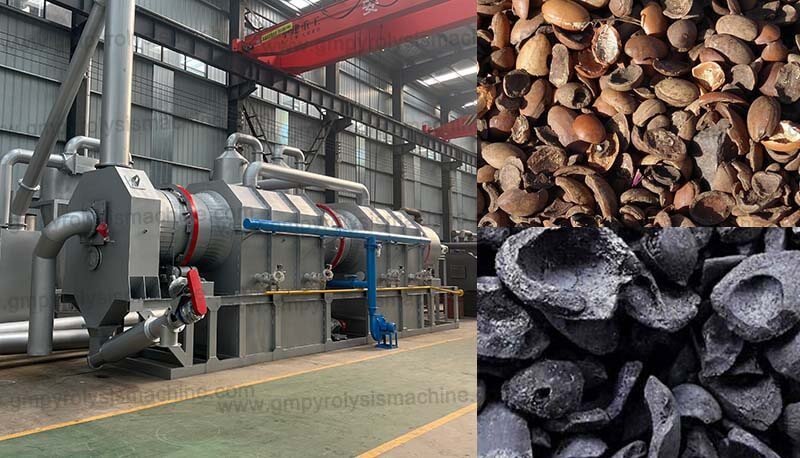
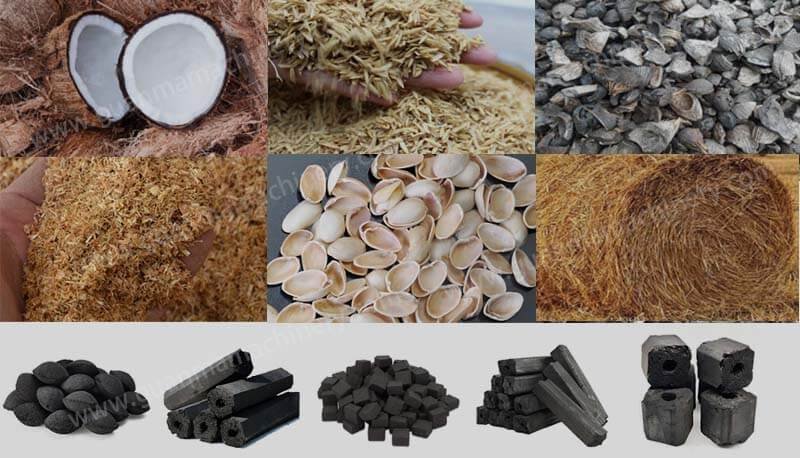
Biomass carbonization is the process of converting organic materials—such as wood chips, rice husks, coconut shells, or agricultural residues—into biochar through thermal decomposition in an oxygen-limited environment. The right equipment not only improves efficiency and output quality but also reduces operational costs and environmental footprint.
Key Factors to Consider When Choosing Biomass Carbonization Equipment
Feedstock Type and Characteristics
The nature of your raw material directly influences the type of carbonizer you need. Equipment performance varies depending on moisture content, particle size, and ash composition. Ensure the equipment you select is compatible with your feedstock’s physical and chemical properties.
Production Capacity and Scalability
Determine your current and future production needs. Are you looking for small scale biomass carbonizer for a local operation, or do you need a large continuous carbonization plant for industrial output? Consider both daily processing capacity and the ability to scale up.

Technology and Process Type
There are generally two main types of carbonization technologies:
Batch carbonization furnaces: Suitable for smaller operations or varied feedstock batches.
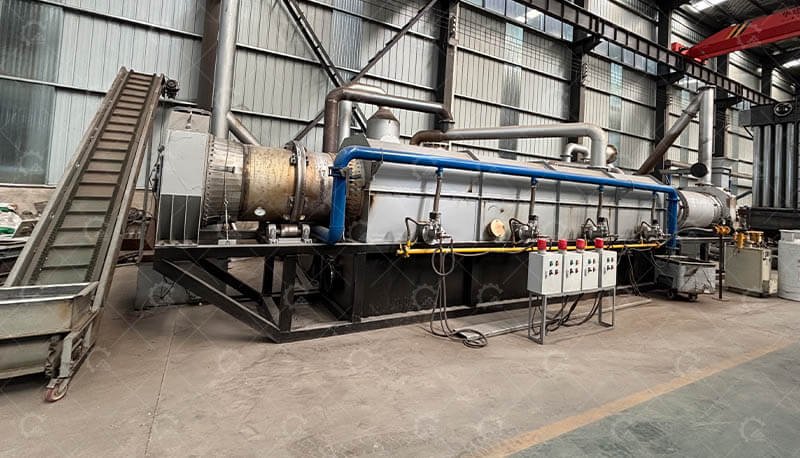
Continuous carbonization machines: Ideal for large-scale, uninterrupted production with higher efficiency.
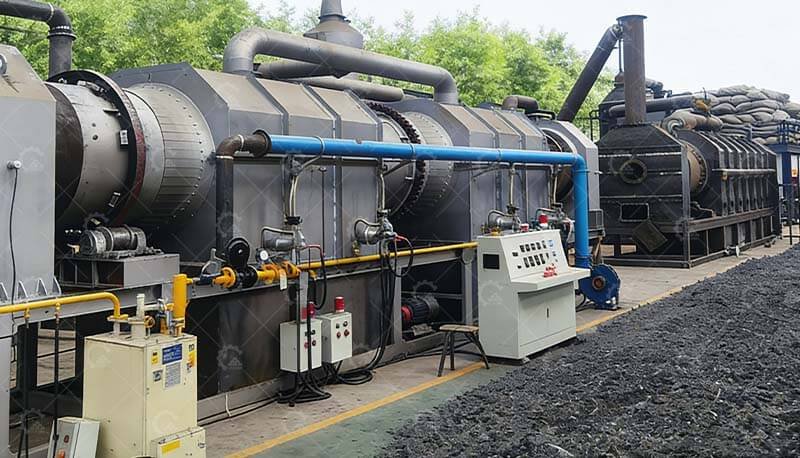
Advanced systems may include features like automatic feeding, gas recycling, and PLC control systems, which enhance safety, consistency, and ease of operation.
Energy Efficiency and Heat Recovery
Look for equipment designed with energy-saving features. Many modern systems incorporate syngas recycling to reuse combustible gases generated during carbonization, reducing external fuel requirements. This not only cuts operational costs but also minimizes emissions, supporting greener operations.
Environmental Compliance and Safety
Ensure the equipment meets international environmental standards, particularly regarding emissions (smoke, odor, and particulate matter). Reputable manufacturers provide eco-friendly carbonization solutions with integrated smoke scrubbers and dust removal systems.
Output Quality and By-Product Utilization
The end product’s quality—whether biochar for agriculture, fuel briquettes, or activated carbon—depends on precise temperature control and process stability. Additionally, consider how the equipment handles by-products like tar and wood vinegar, as these can represent additional revenue streams if properly collected.
After-Sales Support and Service
Reliable technical, availability of spare parts, and comprehensive training are crucial for long-term operation. Choose suppliers who offer clear warranties, on-site installation guidance, and responsive maintenance services.
Conclusion
Investing in biomass carbonization equipment is a strategic step toward sustainable and profitable resource management. By carefully evaluating your feedstock, capacity requirements, technological preferences, and environmental goals, you can select a system that delivers optimal returns.
Contact us today to discuss your project specifics, request a customized quotation, or learn more about how our carbonization solutions can empower your business.