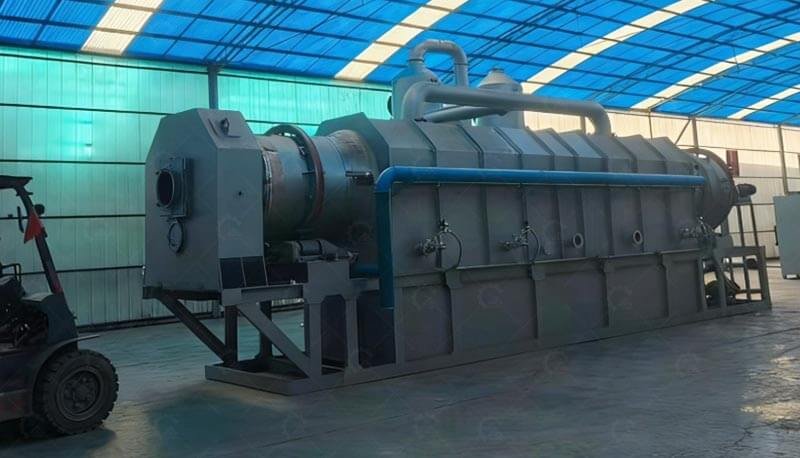
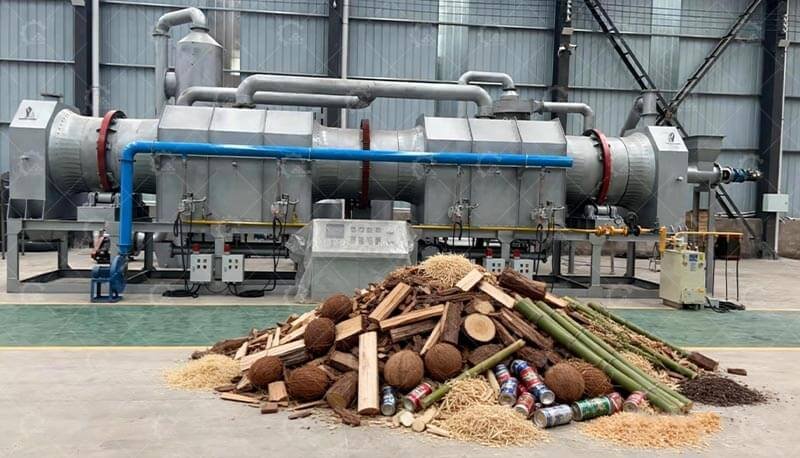
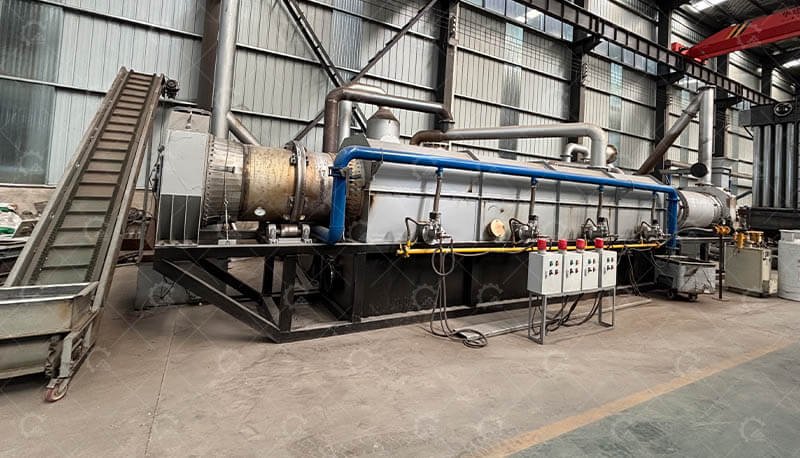
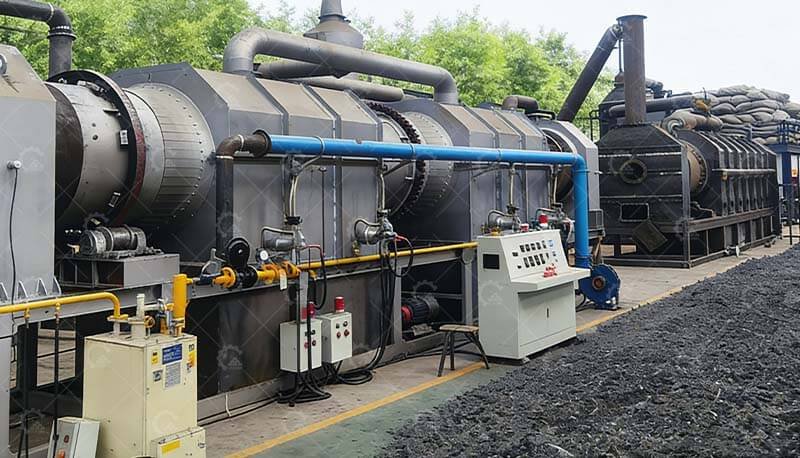
Aluminum Can Paint Removal Carbonization Furnace Work
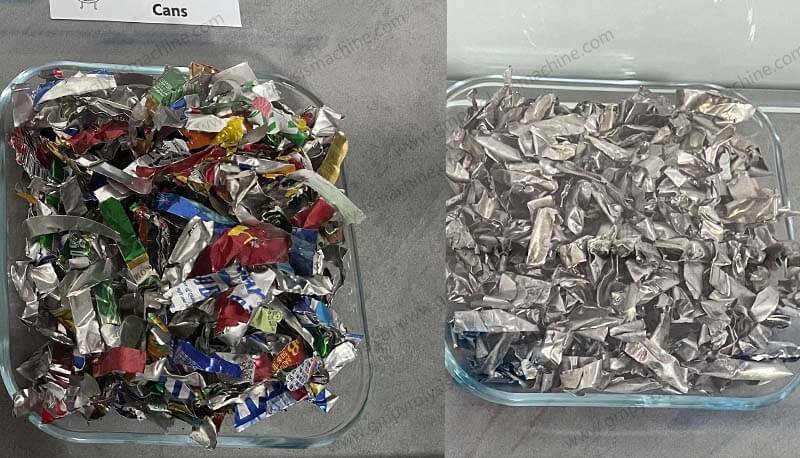
The aluminum can paint removal carbonization furnace for aluminum cans operates through a controlled, oxygen-limited thermal process designed to strip paint and carbonize organic residues without damaging the aluminum.
Here’s a step-by-step breakdown of the working principle
Loading and Sealing
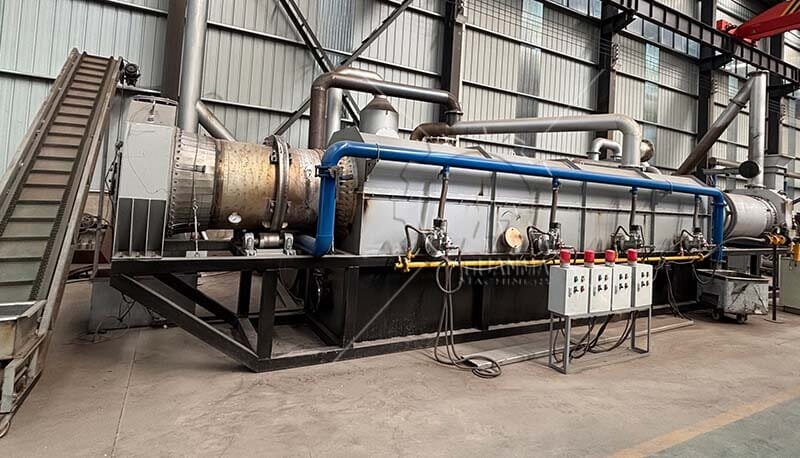
Aluminum cans are loaded into the furnace chamber via an automated conveyor system or manual input, depending on your setup.
Heating Phase
The furnace heats up to a precise temperature range, typically between 400°C and 600°C, using electric or gas-powered heating elements. This phase is energy-optimized, with insulation layers and heat recovery systems reducing power consumption by up to 30%.
Paint Removal via Pyrolysis
As the temperature rises, the paint undergoes pyrolysis—a chemical breakdown in the absence of oxygen. This process vaporizes paint polymers into gases, leaving behind clean aluminum surfaces.
Carbonization Stage
After paint removal, any residual organic materials (e.g., adhesives or labels) are carbonized. Carbonization ensures thorough purification, enhancing the quality of recycled aluminum for higher market value.
Cooling and Discharge
The furnace gradually cools down using integrated cooling fans or water-jacketed systems, speeding up cycle times. The treated aluminum cans are then discharged, ready for melting or further processing.
Understanding the working principle of paint removal carbonization furnace for aluminum cans empowers you to upgrade your recycling process with a reliable, sustainable technology.