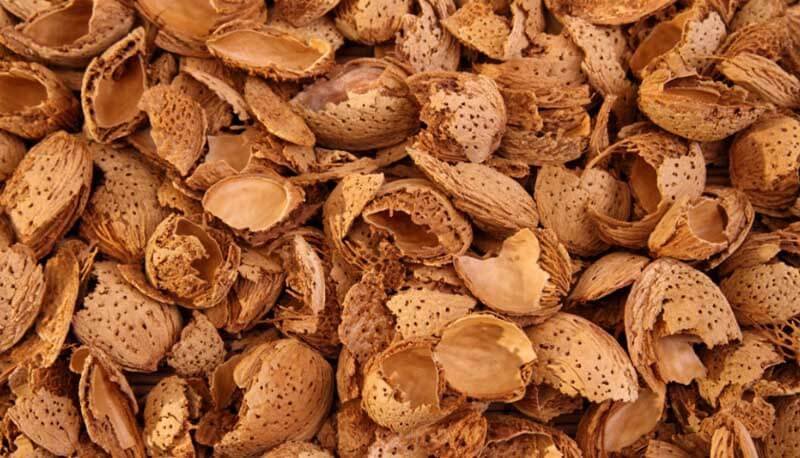
Almond shells are a valuable resource—rich in carbon and ideal for producing charcoal, biochar, or activated carbon. However, the key to maximizing their potential lies in choosing the right Almond Shells Carbonization Furnace.
Why Almond Shells Carbonization?
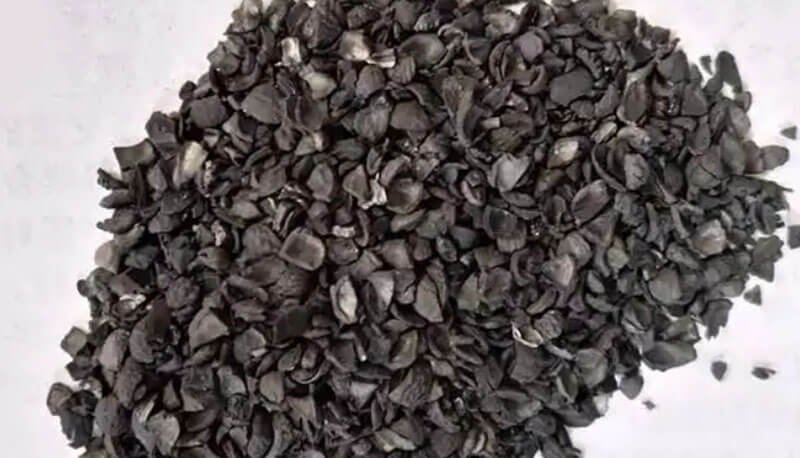
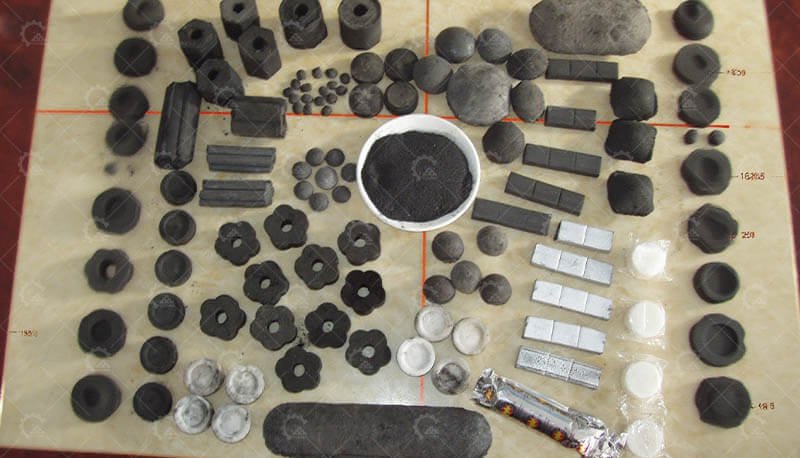
Almond shells are an abundant agricultural byproduct, When carbonized, they transform into high-value materials used in agriculture, energy, filtration, and more. An efficient carbonization furnace convert waste into wealth.
Key Factors to Consider When Selecting a Furnace
1. Capacity: Matching Throughput with Your Production Goals
Capacity is often the first consideration. Ask yourself:
What is your daily or monthly feedstock volume?
Do you plan to scale production in the future?
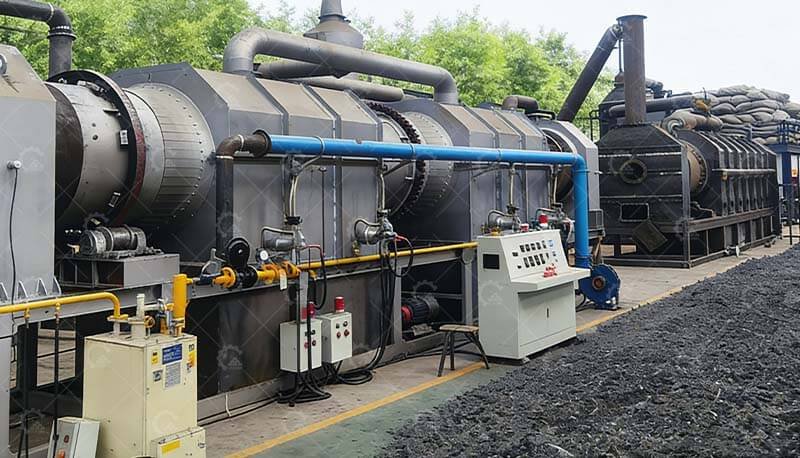
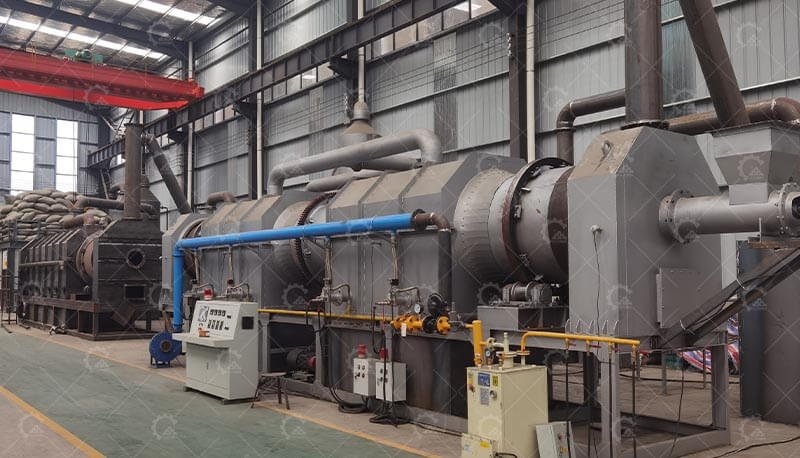
Furnaces come in various sizes, from small batch-type carbonization units to large continuous carbonization systems. For medium to large-scale operations, a continuous almond shells carbonization furnace ensures steady output with less manual intervention. If you’re starting small or running pilot tests, a batch furnace for almond shell charcoal might be more cost-effective initially.
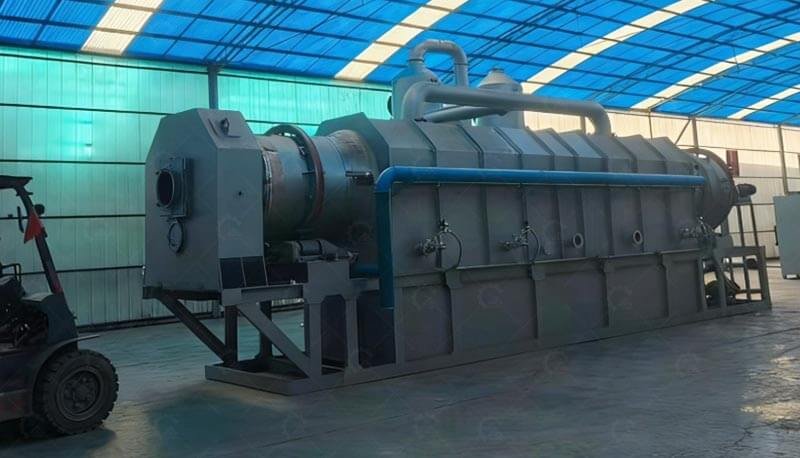
Mobile Almond Shells Carbonization Furnace
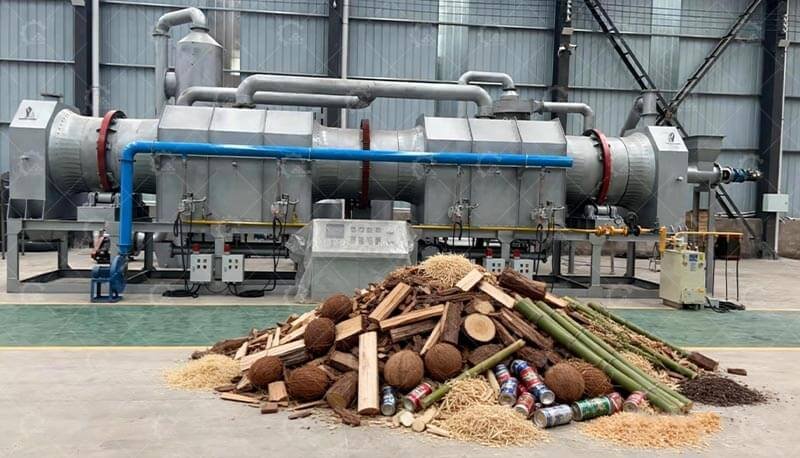
Batch Almond Shells Carbonization Furnace
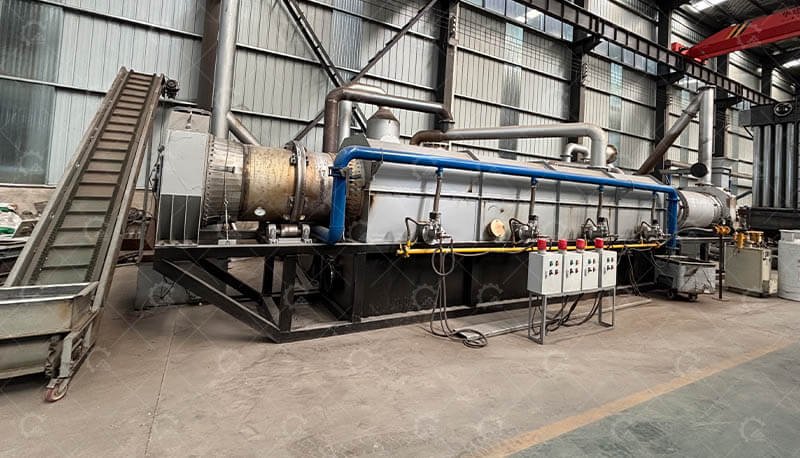
Continuous Almond Shells Carbonization Furnace
2. Efficiency: Maximizing Output While Minimizing Waste
Efficiency affects both product quality and operating costs. Look for:
Thermal efficiency: How well the furnace uses heat. Modern furnaces often include heat recovery systems to reduce fuel consumption.
Carbonization rate: Higher-quality furnaces achieve a consistent carbon yield with minimal ash residue.
Automation level: Automated temperature and airflow control improve consistency and reduce labor costs.
An energy-efficient almond shells carbonization furnace not only lowers your carbon footprint but also boosts profitability over time.
3. Cost: Understanding Investment and ROI
Cost goes beyond the initial purchase price. Consider:
Upfront investment: Prices vary based on capacity, technology, and automation.
Operating costs: Fuel, electricity, maintenance, and labor.
Return on investment (ROI): A slightly pricier but more efficient furnace may pay for itself faster through higher output and lower running expenses.
We recommend calculating the total cost of ownership for almond shell carbonization equipment before deciding. Don’t hesitate to request a detailed almond shell carbonization furnace quotation from suppliers, including after-sales service terms.
Types of Almond Shells Carbonization Furnaces
Mobile Biochar Making Machine: Compact, suitable for small spaces.
Batch Carbonization Furnace: With simple and durable construction, the batch type furnace requires minimal maintenance, making it cost, often batch-operated.
Continuous Carbonization Pyrolysis Machine: Ideal for continuous processing, offering uniform heating and easy discharge, perfect for medium to large-scale production..
Each type has its strengths—your choice should align with your space, labor availability, and output targets.
Tips for Making the Right Choice
Request a trial or case studies from suppliers to see the furnace in action.
Check material compatibility—ensure the furnace is designed for almond shells’ specific density and moisture content.
Prioritize safety and emissions compliance, especially if exporting to regions with strict environmental standards.
Consider future expansion—modular designs can grow with your business.
Why Partner with a Professional Supplier?
A reliable supplier doesn’t just sell equipment—they provide end-to-end support, from capacity estimation for almond shell carbonization projects to installation, training, and maintenance. They can help you optimize furnace settings for the highest quality biochar or charcoal.
Ready to Set up Your Almond Charcoal Plant?
Contact guanma machinery today for request a detailed quote. Let’s help you make an informed decision that powers your success.